

Learn how to adjust the limit switch on the garage door to ensure it opens and closes smoothly without stopping short or slamming shut.
A garage door is one of the most frequently used entry points in many homes. Despite its everyday use, many homeowners overlook the small components that ensure its smooth operation. One such component is the limit switch on garage door openers. This switch dictates how far your garage door travels when opening or closing. If misadjusted, it can lead to incomplete closing, abrupt stops, or even damage to your door and opener.

Over time, natural wear and environmental factors can cause the limit switch to drift from its optimal setting. When this happens, you’ll notice irregular door behavior that can lead to costly repairs. Addressing the issue promptly can enhance your garage door’s performance.
This guide offers a comprehensive overview of adjusting the limit switch on garage door systems. We’ll guide you through identifying issues, making precise adjustments, and maintaining your garage door to ensure reliable operation. Whether you’re a DIY enthusiast or a homeowner looking to gain a deeper understanding of your garage door, this article provides actionable insights based on industry best practices.
What is the Limit Switch on Garage Door Openers?
The limit switch on garage door openers controls how far the door travels when opening or closing. It ensures the door stops at the correct point to prevent over-traveling or under-closing. Most modern garage door openers use adjustable screws or dials to set the limits for opening and closing.
A properly calibrated limit switch is critical for both safety and performance. An incorrect setting can cause the door to slam shut, reverse unexpectedly, or leave gaps that compromise security and insulation. Regular checks and adjustments ensure your garage door operates smoothly and safely.
Common Signs Your Limit Switch Needs Adjustment
Identifying when to adjust the limit switch on garage door systems is straightforward if you know what to look for. Here are some common indicators:
1. The Garage Door Doesn’t Close Completely
If your garage door stops short of the floor and leaves a gap, the close limit switch may be set too high. This not only affects security but also exposes your garage to outdoor elements, such as rain, snow, and pests.
2. The Door Reverses After Touching the Ground
When the door reaches the floor but then immediately reverses back up, it may indicate that the close limit is set too far. The garage door opener could interpret the floor as an obstruction, triggering the automatic reverse function for safety.
3. The Door Stops Before Fully Opening
If the door halts before it reaches the top of its track, the open limit switch might be set too low. This can reduce headroom clearance, potentially creating issues for taller vehicles or limiting access to your garage space.
4. The Opener Motor Continues Running After the Door Stops
If the motor keeps running even after the door has stopped moving, it’s likely trying to reach a travel point that exceeds the door’s actual range. This usually happens when the limit switch is set incorrectly, putting strain on the opener and shortening its lifespan.
Safety Precautions Before Adjusting the Limit Switch on the Garage Door
Before performing any adjustments to your garage door’s limit switch, it’s crucial to prioritize safety. Garage doors are heavy, and their systems are under tension, which can pose risks if not handled properly. Follow these essential precautions to ensure a safe working environment.
1. Disconnect the Garage Door Opener from Power
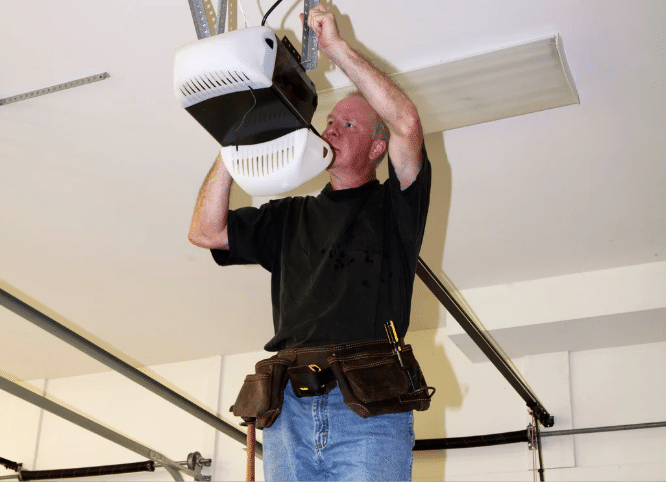
Unplug the garage door opener or switch off its circuit breaker to eliminate the risk of electrical shock or unexpected door movement while you’re making adjustments.
2. Ensure the Garage Door is Fully Closed
Start with the door in a closed position to minimize the chance of it moving unexpectedly or falling, which could cause injury or damage.
3. Wear Safety Gloves and Protective Eyewear
Protect your hands from sharp edges, moving parts, or accidental contact with tools. Safety glasses help guard your eyes against dust, debris, or snapped components.
4. Keep Children and Pets Away from the Area
Ensure that the workspace is clear of distractions and potential hazards. Children and pets should be kept at a safe distance while maintenance is being performed.
Why Safety Matters
Garage door systems use high-tension springs and powerful motors. Incorrect handling or skipping basic safety steps can result in injury or severe equipment damage. Always take a few extra moments to secure the area and protect yourself before making any adjustments.
How to Locate the Limit Switch on Garage Door Openers
The location of the limit switch varies depending on your garage door opener model. Generally, you can find it near the motor unit mounted on the ceiling. Look for adjustment screws or dials labeled “Up Limit” and “Down Limit.” Consult your opener’s manual for specific guidance.
Understanding your specific model will help you make accurate adjustments without causing unintended damage.
Step-by-Step Guide to Adjusting the Limit Switch on Garage Door
Inspect the Current Settings
Before making changes, observe how your garage door operates. Note where it stops and whether it reverses unexpectedly.
Adjust the Close Limit
- Locate the “Down Limit” adjustment screw or dial.
- Turn it in small increments (usually clockwise to decrease travel, counterclockwise to increase).
- Test the door after each adjustment.
Adjust the Open Limit
- Locate the “Up Limit” adjustment screw or dial.
- Turn it in small increments.
- Test the door after each adjustment.
Fine-Tuning
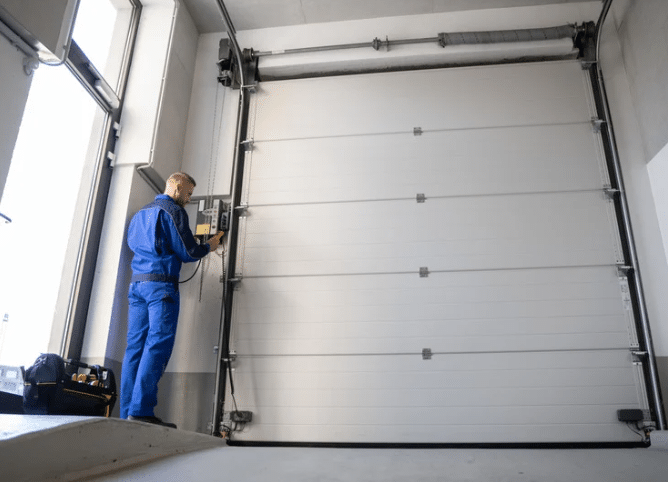
Make gradual adjustments and test frequently to avoid over-correcting. Continue until the door opens and closes smoothly without overshooting or reversing.
Final Testing
Reconnect the opener to power and conduct several full open-close cycles to verify consistent performance.
Maintenance Tips for a Smooth-Operating Garage Door
Regular maintenance goes a long way in ensuring your limit switch on garage door systems remains accurate:
- Inspect and test the limit switch monthly.
- Lubricate moving parts as recommended.
- Check for wear on cables, rollers, and tracks.
- Schedule professional inspections annually.
Proactive maintenance minimizes unexpected issues and extends the lifespan of your garage door system.
When to Call a Professional
While adjusting the limit switch on garage door systems is often a DIY task, some situations warrant professional assistance:
- Persistent issues after adjustment.
- Unusual noises or vibrations.
- Electrical concerns.
- Damaged or worn components.
Professional technicians have the expertise and tools to diagnose and resolve complex problems safely.
Frequently Asked Questions
What is the limit switch on a garage door?
The limit switch on a garage door controls how far the door travels when opening or closing. It tells the motor when to stop to prevent the door from over-traveling. This helps protect the system from damage and ensures proper operation.
How do I reset my garage door limit switch?
To reset the limit switch, locate the adjustment screws (usually labeled “up” and “down”) on the motor unit. Use a screwdriver to turn the screws slightly until the door opens and closes at the desired height. Always test the door after adjustments to ensure it stops correctly.
Where is the garage door limit switch located?
The limit switch is usually found on the garage door opener motor unit, often near the chain or screw drive. On some models, it’s a pair of adjustable plastic or metal screws or dials. Check your opener’s manual for the exact location specific to your model.
What is the purpose of a limit switch?
The limit switch ensures the door stops at the correct open and closed positions. It prevents the door from slamming shut or opening too far, which could damage the door or opener. It’s essential for safety and system efficiency.
What are the symptoms of a limit switch?
Signs of a faulty limit switch include the door not opening or closing completely, reversing direction unexpectedly, or the motor continuing to run after the door stops. Inconsistent stopping points or failure to fully close are also common issues.
Conclusion
Adjusting the limit switch on garage door systems is a valuable skill that contributes to the smooth and safe operation of your garage door. With careful observation and minor adjustments, you can resolve common issues such as incomplete closing, unexpected reversals, and over-traveling.
Regularly testing and maintaining your garage door’s limit switch helps prevent inconvenient breakdowns and enhances the overall reliability of your garage door opener. However, when in doubt, don’t hesitate to consult a professional to ensure safe and accurate adjustments.
If you’re located in Grapevine, TX, or surrounding areas, consider reaching out to Grapevine Garage Door for expert assistance. We are committed to providing top-quality garage door services at competitive rates.
End Note
Grapevine Garage Door prides itself on delivering exceptional care for all your garage door needs in Grapevine, TX. Whether you need a minor adjustment or a full-scale repair, our experienced team is committed to ensuring your garage door operates safely and efficiently.
We handle all types of garage door repairs, from small adjustments to full system overhauls. Our team is dedicated to quality service and customer satisfaction. Visit our Q&A page for more info and answers to common questions.
Learn more about us by visiting our About Us page, and explore examples of our work in our Gallery. Ready to schedule service or need expert advice? Contact us today and experience the best in garage door care with Grapevine Garage Door.
Grapevine Garage Door & Gates
2958 Wentwood Dr.
Grapevine, TX 76051
+18178092507